Source eco-friendly heat-resistant silicone spatula for Cooking, Baking, and Grilling
Compare 30 listings of eco-friendly heat-resistant silicone spatula from verified Chinese manufacturers. Buyers can evaluate customization options, certifications like FDA and LFGB, and pricing for kitchen utensils used in cooking, baking, and grilling applications.
Key considerations
Products List


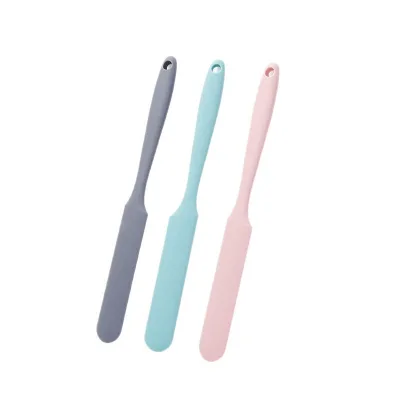
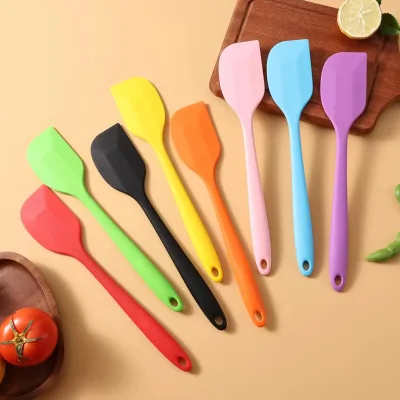
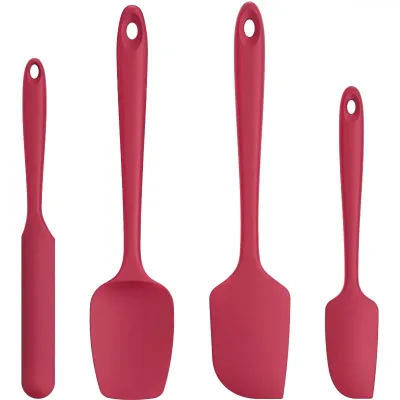


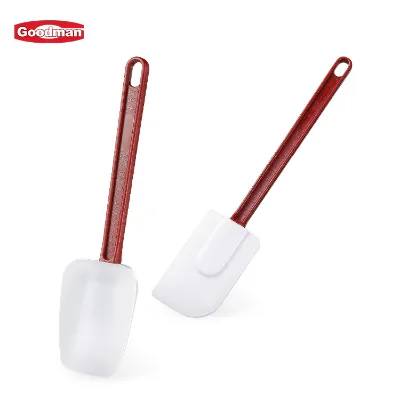
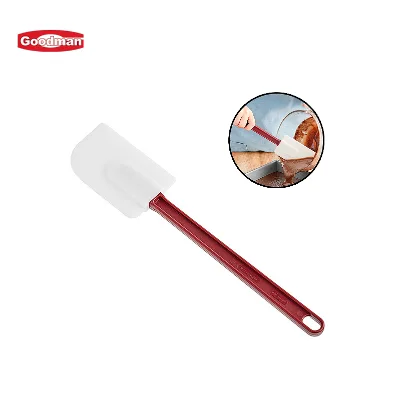


High Quality Personalized Premium Kitchenware Silicone Spatula for Baking
$0.90 - $1.50
MOQ: 1000 Pieces


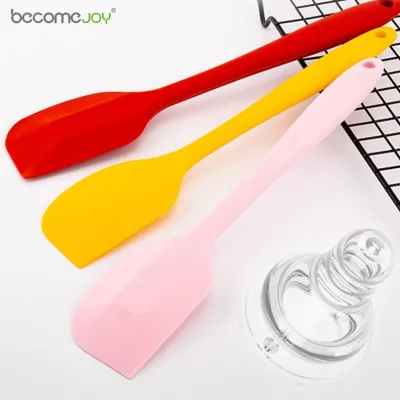


Silicone Spatula Kitchen Utensils Non-Stick Spatulas
$1.24 - $1.55
MOQ: 200 Pieces
Jinhua Hengyang Cross-Border Trade Limited Liability Company



Comprehensive Sourcing Guide
Eco-Friendly Heat-Resistant Silicone Spatula Sourcing Guide
Sourcing eco-friendly heat-resistant silicone spatulas requires a disciplined approach to balancing material integrity, regulatory compliance, and commercial viability. The global market for kitchen utensils has shifted significantly toward sustainable materials, with silicone emerging as a dominant choice due to its durability and non-toxic properties. Buyers must navigate a landscape where "eco-friendly" is a common marketing claim, necessitating rigorous verification of actual material composition and manufacturing standards. This guide provides evidence-based procurement strategies to help buyers identify reliable suppliers, verify technical specifications, and mitigate risks associated with low-cost imports. By focusing on observable listing signals and verifiable certifications, procurement teams can build a supply chain that supports both operational efficiency and corporate sustainability goals.
The following sections detail the critical steps for evaluating potential suppliers and products. We will examine the observed product scope, technical specifications, compliance documentation, cost structures, supplier qualifications, and long-term procurement checks. Each section is designed to provide actionable guidance for buyers who need to make informed decisions without relying on unverified claims. The focus remains on facts derived from typical market observations and trusted category knowledge, ensuring that the advice is practical and applicable to real-world sourcing scenarios.
Product Scope and Observed Listing Signals
The current market for silicone spatulas exhibits a wide range of product variations, primarily distinguished by size, color, and specific application features. Observed listings indicate that products are often marketed with attributes such as "non-stick," "heat resistant," and "eco-friendly," which are critical for kitchen use. Buyers should note that while many suppliers claim these features, the actual performance can vary significantly between manufacturers. For instance, some products are listed with specific dimensions such as 21cm or 28cm, while others may have different size specifications like 3.94"L x 3.94"W. It is essential to verify these dimensions against your specific operational needs, as standard sizes may not fit all kitchen equipment or packaging requirements.
Color options are another significant variable in the product scope, with suppliers offering everything from single-color options like blue or red to multi-color assortments including green, yellow, orange, pink, and violet. Some listings specify "any Pantone color," indicating a high degree of customization potential for branded products. However, buyers should be cautious of listings that specify "random" colors, as this may lead to inconsistencies in inventory and branding. Additionally, the material is consistently identified as silicone, but the quality of this material can vary. Buyers should look for explicit mentions of "100% eco-friendly" or "sustainable" attributes, but these should be cross-referenced with certification documents to ensure they are not merely marketing terms.
Technical Specifications to Verify
Technical verification is crucial to ensure that the silicone spatulas meet the required performance standards for heat resistance and durability. Buyers should request detailed specifications regarding the silicone grade used, as not all silicone is created equal. High-quality food-grade silicone should be able to withstand high temperatures without degrading, releasing harmful substances, or losing its elasticity. The observed listings mention advantages such as "heat resistant," "BPA-free," and "non-stick," which are key performance indicators. However, buyers must verify these claims through material safety data sheets (MSDS) or third-party test reports, as these attributes are not automatically guaranteed by the product description alone.
Packaging and unit specifications are also important technical considerations that can impact logistics and cost. Observed data shows a variety of packaging options, including OPP bags and individual retail packaging, with single package sizes ranging from 27X5X2 cm to 30X10X10 cm. The gross weight of individual items can vary, with some listings indicating 0.100 kg and others 0.2 kg for multi-piece sets. Buyers should calculate the total shipping volume and weight based on these specifications to optimize freight costs. Additionally, the number of pieces per set, which can range from single items to four-piece sets, should be aligned with your target market's preferences and usage patterns.
Compliance and Safety Documentation
Compliance with international safety standards is non-negotiable when sourcing food-contact products. Buyers must ensure that suppliers provide valid certifications such as FDA, LFGB, CE/EU, CIQ, and EEC. These certifications indicate that the products have undergone rigorous testing for chemical migration, heavy metals, and other potential contaminants. The presence of these certifications is a strong indicator of a supplier's commitment to quality and safety. However, buyers should verify the authenticity of these certificates by checking the issuing body and the validity period. It is also important to ensure that the certifications cover the specific product models being ordered, as some suppliers may have certificates for one product line but not for another.
In addition to product-specific certifications, buyers should inquire about the supplier's overall quality management systems. While not always explicitly listed, a robust quality management system is essential for maintaining consistent product quality over time. Buyers should ask for evidence of ISO 9001 certification or similar standards, which indicate a structured approach to quality control. Furthermore, buyers should request sample products to conduct their own internal testing, such as heat resistance tests and durability checks. This hands-on verification can help identify any discrepancies between the supplier's claims and the actual product performance.
Cost Drivers and Commercial Terms
Understanding the cost drivers for silicone spatulas is essential for effective budgeting and negotiation. The primary cost drivers include the quality of the silicone material, the complexity of the mold design, and the volume of the order. Higher-quality food-grade silicone and more intricate designs will naturally result in higher unit costs. However, economies of scale can significantly reduce the per-unit price for larger orders. Observed listings show a wide range of MOQs, from as low as 3 pieces to 1000 pieces, indicating flexibility in order sizes. Buyers should leverage this flexibility to negotiate better terms, especially if they are willing to commit to larger volumes or longer-term contracts.
Pricing structures can also vary based on customization options and packaging requirements. Products with custom colors, logos, or packaging may incur additional setup fees or higher unit costs. Buyers should request detailed quotes that break down these costs to understand the true impact of customization on the final price. Additionally, buyers should consider the total landed cost, including shipping, duties, and taxes, rather than just the unit price. This holistic view of costs will help in making more accurate financial projections and avoiding unexpected expenses.
Supplier Qualification and Quality Control
Supplier qualification is a critical step in mitigating supply chain risks. Buyers should conduct thorough due diligence on potential suppliers, including verifying their business licenses, production capabilities, and export history. Suppliers located in regions like Fujian and Guangdong in China are common sources for silicone products, but buyers should not rely solely on location as an indicator of quality. Instead, they should request factory audits or third-party inspection reports to assess the supplier's production environment and quality control processes. This due diligence helps ensure that the supplier has the capacity and expertise to meet your quality and volume requirements.
Quality control measures should be integrated into the procurement process from the outset. Buyers should establish clear quality standards and inspection criteria before placing orders. These standards should include visual inspections, dimensional checks, and functional tests. It is also advisable to implement a sampling plan, where a random sample of products is inspected before shipment. This proactive approach helps identify and address quality issues early, reducing the risk of receiving defective products. Buyers should also maintain open communication with suppliers to address any quality concerns promptly and effectively.
Long-Term Procurement Checks
Long-term procurement success depends on continuous monitoring and evaluation of supplier performance. Buyers should establish key performance indicators (KPIs) to track supplier reliability, product quality, and delivery times. Regular performance reviews can help identify trends and areas for improvement, allowing buyers to address issues before they become significant problems. Additionally, buyers should stay informed about changes in regulations and market trends that may impact the sourcing of silicone spatulas. This proactive approach ensures that the supply chain remains compliant and competitive over time.
Building a strong relationship with suppliers is also essential for long-term success. Buyers should engage in regular communication with suppliers to discuss future needs, potential improvements, and any challenges. This collaborative approach can lead to better pricing, improved product quality, and more flexible terms. Furthermore, buyers should consider diversifying their supplier base to reduce dependency on a single source. This strategy helps mitigate risks associated with supply chain disruptions and ensures continuity of supply. By focusing on these long-term checks, buyers can build a resilient and efficient procurement process for eco-friendly heat-resistant silicone spatulas.
FAQs
What certifications do these silicone spatulas hold?
These products hold FDA, LFGB, CE/EU, CIQ, and EEC certifications. This ensures they meet international safety standards for food contact and are suitable for cooking, baking, and grilling applications without harmful chemicals.
Can I customize the color of the silicone spatula?
Yes, customization is available with any Pantone color option. Buyers can select specific shades like blue, red, green, or yellow to match their brand identity or kitchen aesthetic requirements.
What is the minimum order quantity for these items?
The minimum order quantity ranges from 3 to 1000 pieces depending on the specific supplier and product model. Some listings accept orders as low as 10 pieces, while others may require higher volumes for bulk pricing.
How long does it take to receive a sample?
Sample time is typically 5 to 7 working days for production. This allows buyers to verify the heat resistance, non-stick properties, and eco-friendly features before committing to a larger purchase order.
Where are these silicone spatulas manufactured?
These products originate from China, specifically from regions like Fujian and Guangdong. This location supports the manufacturing of various cooking utensils with features like elasticity and heat resistance for global export.
Are these spatulas suitable for oven and BBQ use?
Yes, they are designed for cooking, baking in ovens, and BBQ grilling. The material is heat resistant and non-stick, making them durable tools for high-temperature cooking environments without melting or degrading.